
Award-winning restaurant featuring authentic, unique, Italian and Mediterranean cuisine.
Address
Info :
Follow Us
Award-winning restaurant featuring authentic, unique, Italian and Mediterranean cuisine.
Address
Info :
Follow Us
Planning a private event at a restaurant doesn't have to feel complicated. This guide walks you through the booking process, menu planning, pricing structures, and what to expect every step of the way.

The booking process for a private event restaurant isn’t the same as making a regular dinner reservation. You’re reserving exclusive space, coordinating menus, and often working with a dedicated event coordinator who handles the details.
Most restaurants ask you to start by submitting an inquiry—either online or by phone—where you’ll share your preferred date, estimated guest count, and the type of event you’re planning. From there, we check availability and respond with options. If your date works, you’ll typically move into a consultation phase where you discuss menu preferences, dietary restrictions, and any special requests like audio-visual equipment or décor.
Once the details are set, you’ll receive a contract outlining everything from the menu and pricing to deposit requirements and cancellation policies. This contract protects both you and us, making sure everyone’s on the same page before the event. After you sign and submit your deposit, your date is officially locked in.

Timing matters more than you might think. Private dining rooms book up quickly, especially during peak seasons like the holidays, weekends, and wedding season. If you’re planning an event during November or December, don’t wait until fall to start looking—popular dates fill up months in advance.
For smaller gatherings, aim to book at least four to six weeks ahead. This gives you enough time to finalize your guest list, coordinate with us on menu details, and handle any last-minute adjustments without stress. For larger events or corporate functions, booking three to six months in advance is smarter. It ensures you get your preferred date and gives us enough lead time to prepare.
Starting early also gives you leverage. If your first-choice date isn’t available, you’ll have time to explore alternatives or get on a waitlist. Restaurants do experience cancellations, especially as event dates approach, so staying in touch with the venue can work in your favor. The earlier you reach out, the more options you’ll have—and the less you’ll feel rushed into decisions.
Beyond securing the space, early booking allows you to plan other aspects of your event with confidence. You can coordinate with vendors, send invitations, and handle logistics knowing your venue is confirmed. Waiting too long limits your choices and increases the risk of settling for a date or space that doesn’t quite fit your vision.
When you reach out to book a private event restaurant, we’ll ask for specific information to determine if we can accommodate your needs. Be ready to share your event date—or a few backup options if your schedule is flexible. Having alternatives makes the process faster, especially if your first choice isn’t available.
You’ll also need to provide an estimated guest count. This doesn’t have to be exact at the inquiry stage, but we need a ballpark number to confirm the space can fit your group comfortably. Private dining rooms have capacity limits, and knowing whether you’re planning for 20 people or 50 makes a big difference in what we can offer.
The type of event matters too. A seated dinner requires different setup and service than a cocktail reception or corporate meeting. Let us know what you’re planning—whether it’s a birthday celebration, anniversary dinner, business luncheon, or rehearsal dinner—so we can tailor our recommendations. Some venues offer different packages or menu options depending on the event style.
Dietary restrictions and special requests should come up early in the conversation. If you have guests with food allergies, vegetarian preferences, or religious dietary needs, mention this upfront. We’re used to accommodating these requests, but we need advance notice to plan properly. The same goes for any special setup needs like AV equipment, specific table arrangements, or décor preferences.
Finally, budget is worth discussing early. You don’t have to share an exact number, but giving us a sense of your price range helps us suggest appropriate menu options and packages. This prevents you from spending time planning an event that doesn’t align with what you’re comfortable spending. Transparency here saves time for everyone and keeps the process moving smoothly.
Want live answers?
Connect with Tartufo for fast, friendly support.
Pricing for private event dining works differently than ordering off the regular menu. Most restaurants use either a per-person pricing model or a minimum spend requirement—sometimes both. Understanding how these structures work helps you budget accurately and avoid surprises when the bill arrives.
Per-person pricing means each guest has a set cost that typically includes a multi-course meal. This makes budgeting straightforward because you multiply the per-person rate by your guest count. Minimum spend requirements work differently—they set a dollar amount you must reach for food and beverages, regardless of how many people attend. If your group doesn’t hit that minimum, you still pay the full amount.
Both models have their place, and neither is inherently better. The right choice depends on your event size and style.

When you see a price for a private event restaurant package, don’t assume everything is included. Most packages cover the food and sometimes beverages, but additional costs can add up quickly if you’re not paying attention.
Service fees and gratuity are almost always added on top of the menu price. These typically range from 18% to 22% for gratuity, plus an additional event fee that can be anywhere from 3% to 5%. Some restaurants also charge a room rental fee, especially if you’re booking during peak hours or on a weekend. This fee might be waived if you meet a certain food and beverage minimum, but it’s worth asking upfront.
Tax is another line item that gets added to your total. Depending on your location, this can be close to 9% or higher. When you’re calculating your budget, remember that these percentages stack—so a $60 per-person menu can quickly become $80 or more once fees, gratuity, and tax are included.
Beverage packages vary widely. Some restaurants include soft drinks, coffee, and tea in their pricing, while others charge separately for everything. If you want alcohol, you’ll either choose a beverage package with an open bar or run a tab where drinks are charged as ordered. Open bar packages offer predictability—you know the cost upfront—but they can be pricey. Running a tab gives you more control but makes final costs harder to estimate.
Customizations to the menu or space may also come with additional charges. If you want to bring in outside decorations, hire entertainment, or request specific setup arrangements, ask whether there are fees involved. Some venues allow you to bring your own cake or dessert but charge a cake-cutting fee. Others have strict policies about outside food and beverages.
The key is to ask what’s included and what isn’t before you sign anything. A detailed contract should break down every cost so there are no surprises. If something isn’t clear, speak up. We want you to understand exactly what you’re paying for, and we’ll walk you through the pricing structure if you ask.
One of the biggest advantages of booking a private event restaurant is the ability to customize your menu. Unlike a regular dinner where guests order individually, private events typically feature a set menu that everyone enjoys together. This creates a cohesive dining experience and makes service smoother for larger groups.
Most restaurants offer a few menu options to choose from, ranging from simpler packages to more elaborate multi-course meals. You’ll work with us to select dishes that fit your event style and budget. If you’re hosting a corporate lunch, you might opt for a lighter menu with salads and sandwiches. For a milestone celebration, a full three-course dinner with appetizers, entrees, and dessert makes more sense.
Dietary restrictions are a normal part of event planning, and we know how to handle them. Vegetarian, gluten-free, dairy-free, and other accommodations are standard requests. The key is communicating these needs early—ideally when you’re finalizing the menu, not a few days before the event. This gives our kitchen time to plan and source ingredients if necessary.
Some restaurants ask you to provide a final menu selection and guest count a week or two before your event. This deadline exists for a reason—it allows us to order the right amount of food, prep ingredients, and schedule staff accordingly. Missing this deadline can limit your flexibility and may result in fewer options.
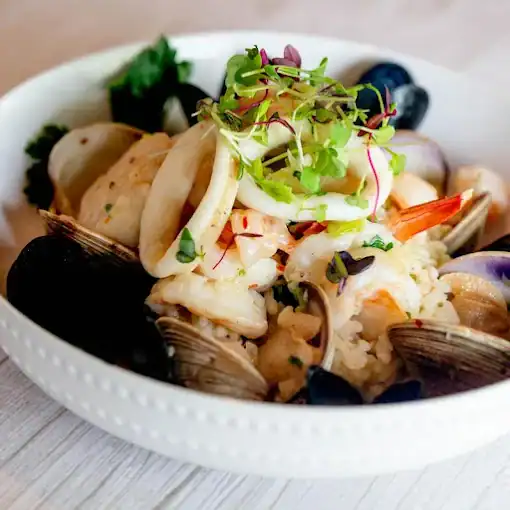
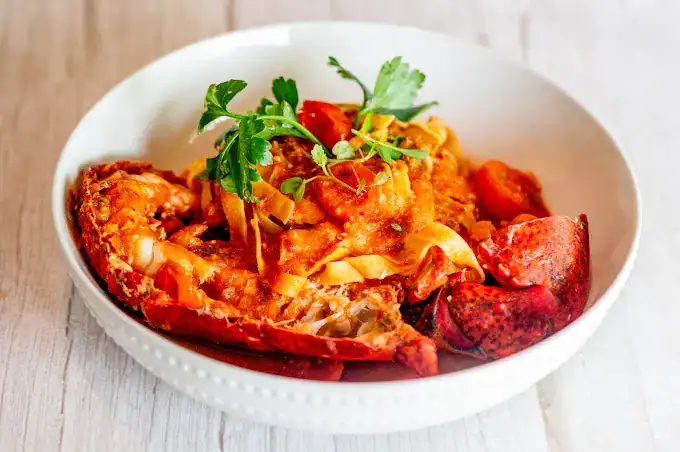
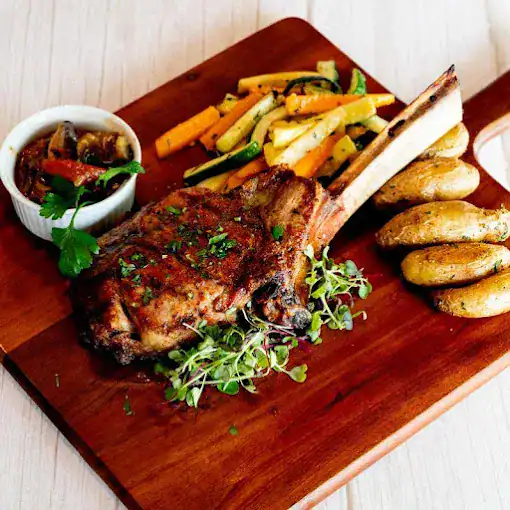
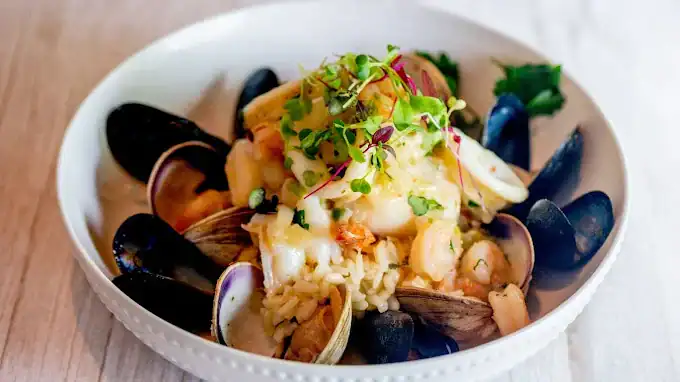
If you’re working with a restaurant that offers authentic cuisine—like Italian, Mediterranean, or regional specialties—lean into our strengths. Ask what dishes we’re known for and what ingredients are in season. We take pride in our signature offerings, and you’ll get a better experience when you let us showcase what we do best.
Family-style service is popular for private events because it encourages sharing and creates a more relaxed atmosphere. Instead of plated courses, dishes are brought to the table for guests to pass around. This works well for casual gatherings and gives people the freedom to try multiple items. Plated service, on the other hand, is more formal and works better for seated dinners where timing and presentation matter.
Beverage pairings can elevate the meal, especially if we have a strong wine list or craft cocktail program. Some venues offer curated pairings where each course is matched with a complementary drink. This adds a layer of sophistication to the event and takes the guesswork out of what to serve. If you’re not sure what works, ask us for recommendations—we know our menu better than anyone.
Booking a private event restaurant doesn’t have to feel overwhelming once you understand the process. Start early, ask the right questions, and communicate openly with the venue about your needs and budget. Restaurants that specialize in private dining have systems in place to make this easy—we just need clear information from you to deliver the experience you’re envisioning.
From understanding pricing structures to finalizing your menu and guest count, each step builds toward a successful event. The more prepared you are, the smoother the process becomes. And when you work with a restaurant that has experience hosting private events, you’re not just renting a space—you’re partnering with a team that wants your event to succeed.
If you’re planning a private event in Middlesex County, MA, we offer a dedicated upstairs dining space with authentic Italian cuisine, flexible menu options, and a team that’s been serving the community since 2004. Reach out to discuss your event and see how we can help bring your vision to life.
Summary:
Share: